I publish a monthly email newsletter with personal updates and interesting things I read or learned that month. The latter is archived below. If you’d like to be added to the newsletter, email me.
November 2025 Roundup
An interesting multi-part retrospective on 2010s culture from a little-subscribed Substack
Before dropping out to found Theranos, Elizabeth Holmes had only two semesters’ worth of chemical engineering, but that was irrelevant, as the stamp of Stanford became the only relevant factor in her ridiculous narrative of entrepreneurship ... Unlike Holmes, Javice collected her degree, but classmates told Fortune she more or less spent her time collecting stamps, as she finagled her way into a prestigious incubator for entrepreneurship that the university hosted
There was a fairly recent tweet expressing outrage that Columbia University was revoking degrees to sanction student activists, and it said something like, “How can they revoke degrees? Degrees are earned.” While the work of attending classes and completing assignments and passing exams does seem to show the inherent value of a degree, the autodidact gets no respect for a reason. The conferral of a diploma, the recognition by a university and preferably a university with a good name, is what makes that work “real”
Trader Joe's played a major role in popularizing wine (particularly Californian wine) in America. In 1970, Trader Joe's was the largest wine retailer in California.
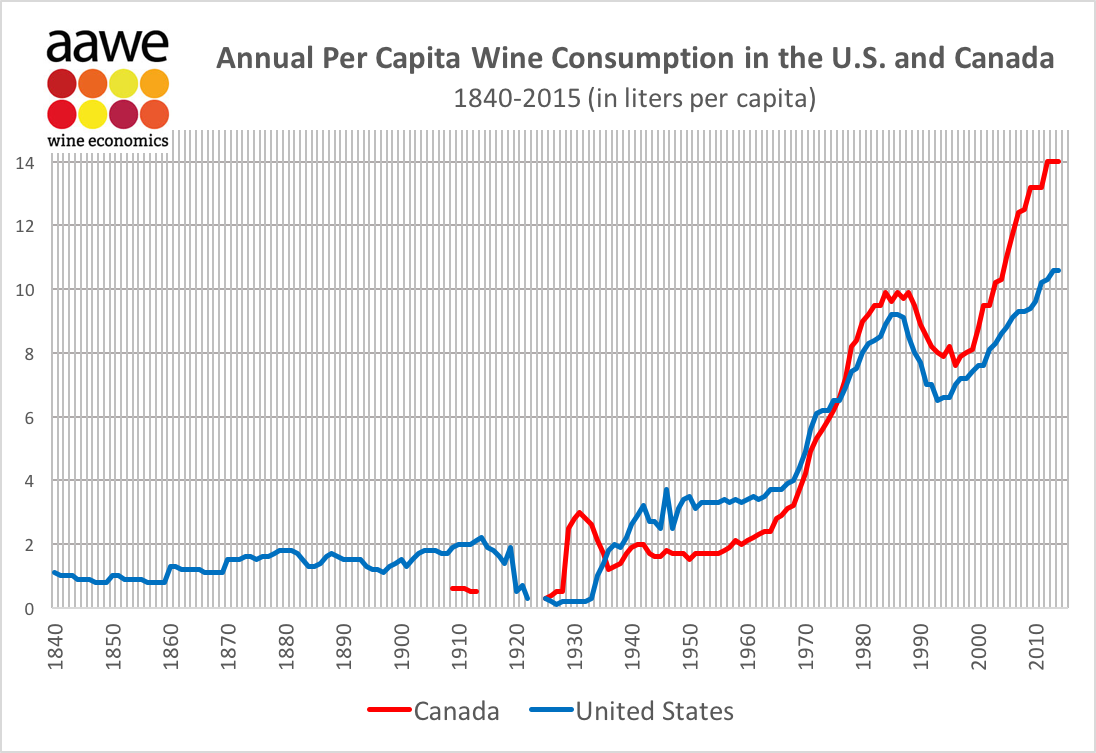
The Complete History & Strategy of Trader Joe's. Acquired
Prediction Error Minimization Theory suggests the brain works by refining a world model to minimize the difference between its prediction and what happens next. I had never heard of this; it's supervised learning for cognitive science, which seems too simplistic.
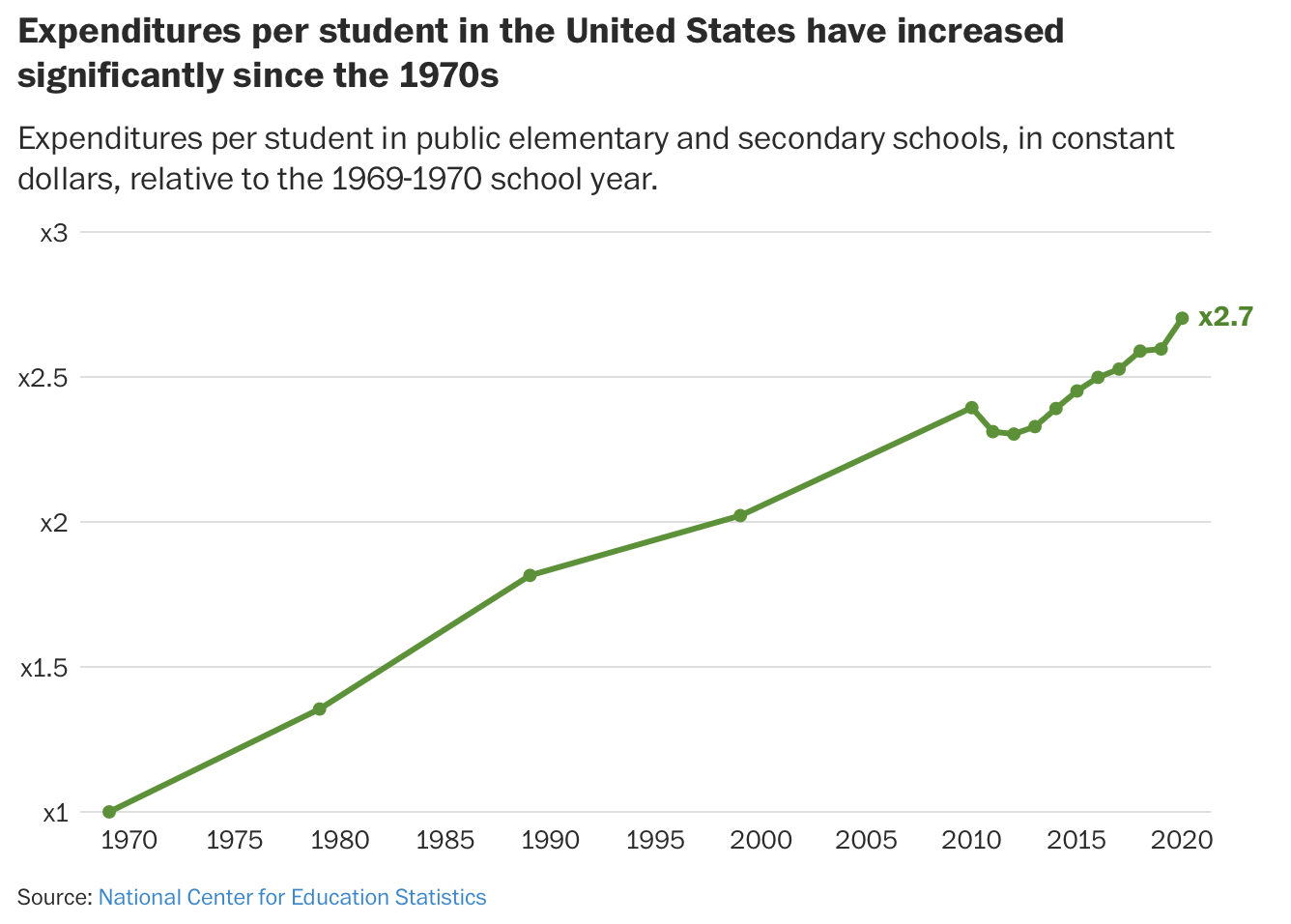
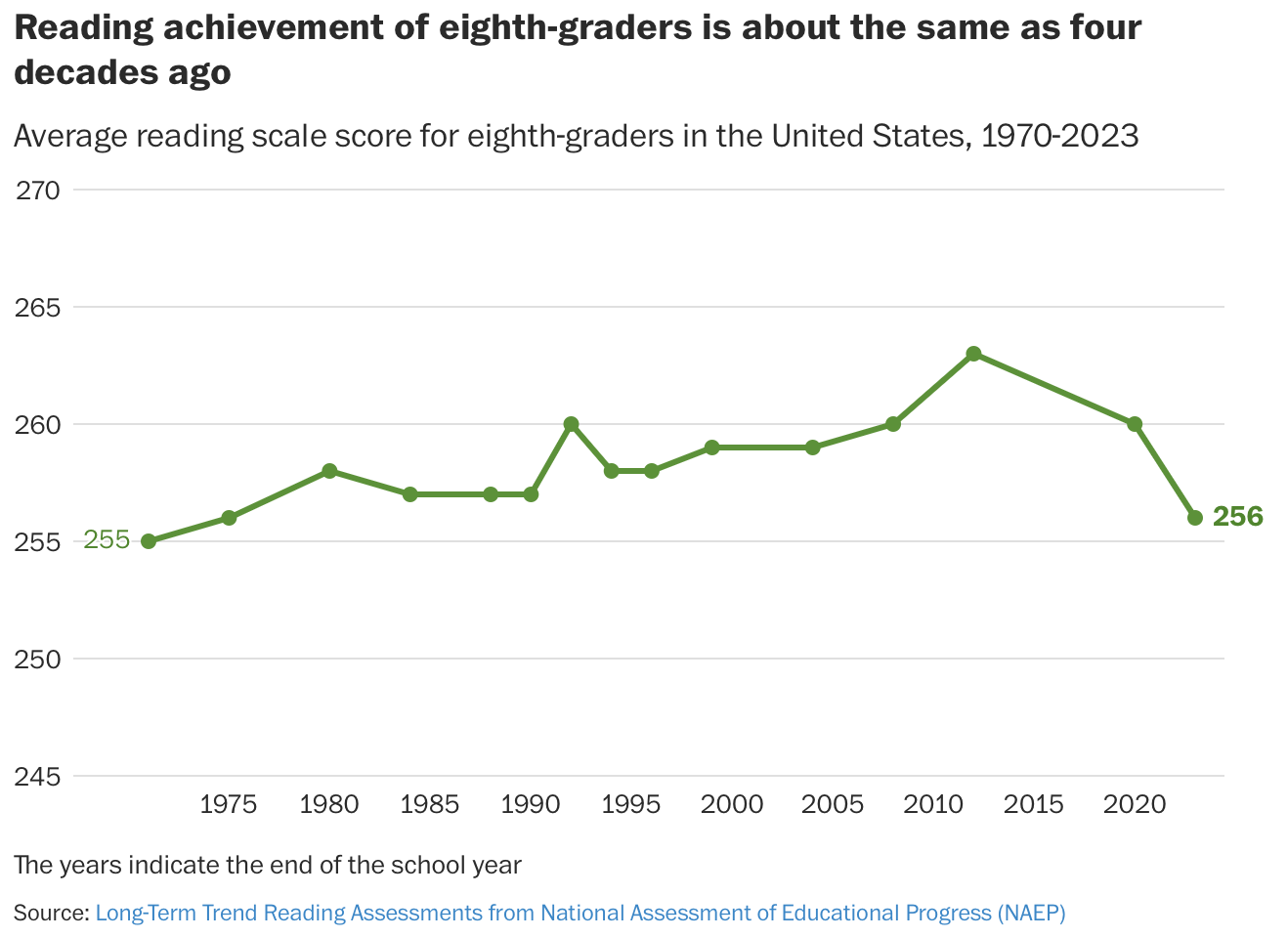
One economist calculates U.S. academic achievement declines will result in 6% lower GDP by the end of the century.
Last month, I shared an Atlantic article about the De Beers diamond cartel. They just ran a paid post in the NYT. Like their previous campaigns, it doesn't advertise any product; this time they mythologize the story of a single diamond discovery.
The first AI image that made my jaw drop. Courtesy of Nano Banana Pro. Past models made photorealistic people look airbrushed and glossy; we've crossed the uncanny valley completely.

Taiwan's central bank plays a heavy-handed role in devaluing its currency to subsidise exports. Good news for Joey!
Critics say the central bank prioritises export growth with single-minded fervour, an approach which harms the country in several ways. First, keeping the currency weak subsidies exporters at the expense of importers. In Taiwan, where the vast majority of both food and fuel (for vehicles and power plants) is imported, this acts as a transfer from poor households to the owners and employees of exporting firms. Taiwanese workers have good reason to feel aggrieved. Labour productivity has doubled since 1998, yet unlike in most rich countries or even in wage-suppressed China, pay has not risen in tandem. Taiwanese unit labor costs, a measure of what workers earn per unit of output, have fallen by 25% over the same period.
A Taiwanese Big Mac, it turns out, costs 56% less than an American one. America is a fraction wealthier than Taiwan, but that affects things only on the margins. Adjusting for this, we calculate that the Taiwan dollar is 55% undervalued, the most of all 53 currencies we track.
Formosan flu. Economist
I just started reading Gregory Clark's The Son Also Rises. He tracks social mobility using the relative prevalence of surnames in elite institutions. The rates he calculates are lower than most other estimates.
Thus the representation of surnames among both attorneys and physicians in Sweden suggests a similar pattern: social mobility in Sweden is much slower than conventional estimates suggest, even for very recent generations. A second surprising finding from the surname distribution of Swedish physicians is that not only are true social mobility rates slower than conventionally estimated, but they are no faster now than they were in the early twentieth century. The enlargement of the political franchise and the institutions of the extensive welfare state of modern Sweden, including free university education and maintenance subsidies to students, have done nothing to increase rates of social mobility.
The Son Also Rises. Princeton University Press